Bank of Canada Holds Rate at 2.25% — April 29, 2026

Diane Buchanan • April 29, 2026

The Bank of Canada announced today that it is holding its target for the overnight rate at 2.25%, with the Bank Rate at 2.5% and the deposit rate at 2.20%. This decision comes against a backdrop of significant global uncertainty — and for Canadian homeowners, buyers, and anyone with a mortgage coming up for renewal, here's what it means.

What the Bank of Canada Said

A World Under Pressure

The Bank cited two major forces shaping today's decision: the ongoing conflict in the Middle East and continued uncertainty around U.S. trade policy. The Iran war has pushed energy prices sharply higher and disrupted transportation routes, squeezing oil-importing economies and pushing inflation up globally. Meanwhile, U.S. tariffs and shifting trade patterns continue to create headwinds for Canadian businesses and exporters.

Financial markets have been volatile, reflecting daily developments in the Middle East. Bond yields are modestly higher since January, and the U.S. dollar has strengthened against most major currencies — though the Canada-U.S. exchange rate has remained relatively stable.

The Canadian Economy

Canada's economy contracted in the fourth quarter of 2025, but growth is forecast to have resumed in early 2026. Consumer and government spending are providing support, while tariffs and trade uncertainty are weighing on exports and business investment. Housing activity has also declined, held back by slow population growth, economic uncertainty, and affordability challenges.

The labour market remains soft. Employment growth has been subdued over the past year, with job losses in sectors targeted by U.S. tariffs. The unemployment rate is sitting in the 6.5% to 7% range.

The Bank's April forecast projects GDP growth of 1.2% in 2026, rising to 1.6% in 2027 and 1.7% in 2028 as exports and business investment gradually recover.

Inflation

CPI inflation climbed to 2.4% in March, driven largely by higher gasoline prices. The Bank expects inflation to rise further in April — potentially reaching around 3% — before easing back toward the 2% target early next year as oil prices moderate. Core inflation has been holding steady at just above 2%.

Importantly, the Bank is watching carefully to ensure that higher energy prices don't feed through more broadly into goods and services prices. Longer-term inflation expectations remain anchored, which is a positive sign.

Why the Bank Held

With growth risks on one side and rising inflation pressures on the other, the Bank of Canada's Governing Council chose to hold steady at 2.25%. The Bank is "looking through" the immediate inflationary impact of the war in Iran, but has been clear that it will not allow higher energy prices to become entrenched inflation. As conditions evolve, the Bank stands ready to respond in either direction.

What This Means for Mortgage Holders and Buyers

A rate hold means no immediate change to variable-rate mortgage payments or home equity lines of credit (HELOCs) tied to the prime rate. The prime rate remains at 4.45%.

The bigger picture here is one of caution and patience. The Bank is navigating a genuinely difficult environment — balancing weak domestic growth against rising inflation risks from global energy prices. This uncertainty is likely to keep rates on hold for the foreseeable future, rather than signalling cuts or hikes in the near term.

For anyone thinking about locking in a fixed rate, renewing soon, or entering the market as a buyer, this environment calls for careful planning. The difference between rate options can mean thousands of dollars over the life of your mortgage.

The next scheduled rate announcement is June 10, 2026 .

As always, every borrower's situation is unique. If you have questions about how today's announcement affects your mortgage — or want to explore your options before the next decision — don't hesitate to reach out.

Information sourced from the Bank of Canada's official press release and Monetary Policy Report dated April 29, 2026.
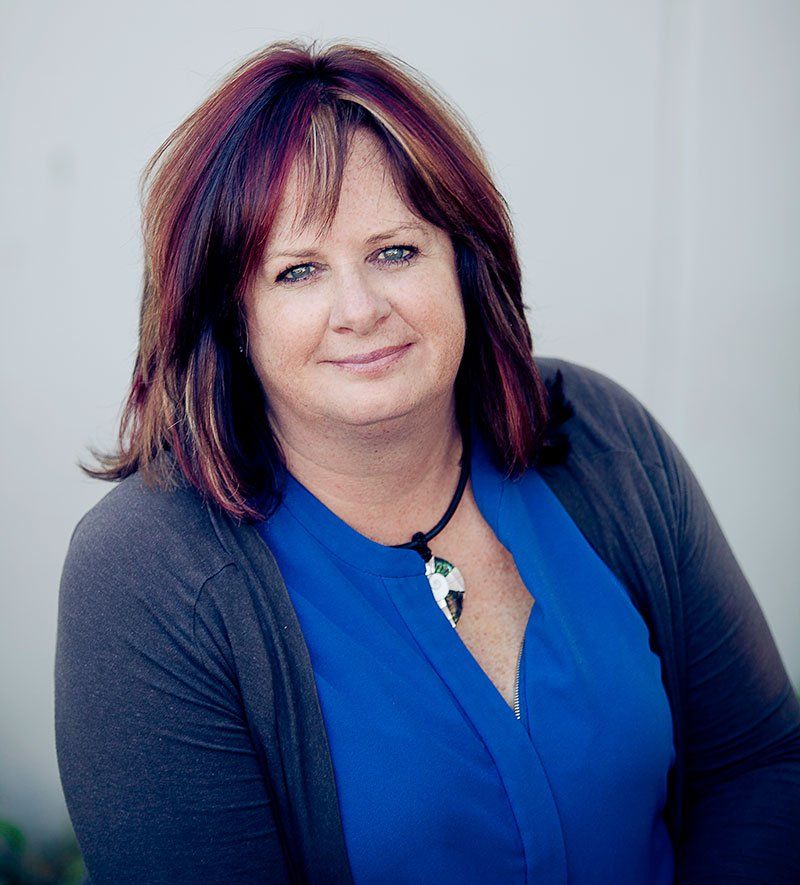

DIANE BUCHANAN
Mortgage Broker

LET'S TALK
By Diane Buchanan April 22, 2026
Why a Mortgage Pre-Approval Protects Both Your Head and Your Heart There’s no denying it—buying a home is an emotional journey. In a competitive market, it can feel like you need to stretch beyond your comfort zone or bid above asking just to have a chance. That pressure can make it hard to separate what you want from what you can realistically afford. One of the biggest pitfalls buyers face is falling in love with a home that’s outside their price range. Once that happens, every other property seems like a compromise—even the ones that might have been a perfect fit otherwise. The best way to avoid this heartache? Get pre-approved before you start shopping. What a Pre-Approval Does for You A mortgage pre-approval gives you more than just a number—it provides clarity, confidence, and protection: Know your buying power : Shop within your true price range and avoid disappointment. Spot potential roadblocks : Uncover issues like credit bureau errors before you make an offer. Get organized : Learn exactly what documentation you’ll need so there are no surprises. Lock in a rate : Many lenders hold your rate for 30–120 days, giving you peace of mind if rates rise. Save yourself heartache : Protect yourself from falling for a home you can’t afford. Head vs. Heart Buying a home is about balance. Your head tells you what’s financially sound, your heart tells you what feels right—and both matter. A pre-approval helps bring those two sides together, so you can make confident choices without emotional stress clouding your judgment. The Bottom Line Looking at properties for fun is one thing—but if you’re serious about buying, a pre-approval is the smartest first step you can take. It sets realistic expectations, saves time, and protects your emotions along the way. If you’d like to explore your options and get pre-approved, I’d be happy to walk through the process with you. Let’s make sure you’re ready to shop with confidence.
By Diane Buchanan April 15, 2026
Thinking About Buying a Second Property? Here’s What to Know Buying a second property is an exciting milestone—but it’s also a big financial decision that deserves thoughtful planning. Whether you're dreaming of a vacation retreat, building a rental portfolio, or looking to support a family member with a place to live, there are plenty of reasons to consider a second home. But before you jump in, it's important to understand the strategy and steps involved. Start with “Why” The best place to begin? Clarify your motivation. Ask yourself: Why do I want to buy a second property? What role will it play in my life or finances? How does this fit into my long-term goals? Whether your focus is lifestyle, income, or legacy planning, knowing your “why” will help you make smarter decisions from the start. Talk to a Mortgage Expert Early Once you’ve nailed down your goals, the next step is to sit down with an independent mortgage professional. Why? Because buying a second property isn't quite the same as buying your first. Even if you’ve qualified before, financing a second home has unique considerations—especially when it comes to down payments, debt ratios, and how lenders assess risk. How Much Do You Need for a Down Payment? Here’s where the purpose of the property really matters: Owner-occupied or family use: You may qualify with as little as 5–10% down, depending on the property and lender. Income property: Expect to put down 20–35%, especially for short-term rentals or if it won’t be occupied by you or a family member. Your down payment amount can be one of the biggest hurdles—but with strategic planning, it’s often manageable. Ways to Fund the Down Payment If you don’t have the full amount in cash, you might be able to tap into your current home’s equity to help fund the purchase. Here are a few ways to do that: ✅ Refinance your existing mortgage to access additional funds ✅ Secure a second mortgage behind your current one ✅ Open a HELOC (Home Equity Line of Credit) ✅ Use a reverse mortgage (in certain age-qualified scenarios) ✅ Take out a new mortgage if your current home is mortgage-free These options depend on your income, credit, home value, and overall financial picture—another reason why having a pro in your corner matters. Second Property Strategy: It’s More Than Just Numbers This purchase should be part of a bigger financial plan—one that balances risk and reward. It’s about: Assessing your full financial health Maximizing your existing assets Minimizing your cost of borrowing Aligning your purchase with your long-term goals Ready to Take the Next Step? There’s no one-size-fits-all answer when it comes to buying a second property. That’s why it helps to talk things through with someone who understands both the big picture and the small details. If you’re ready to explore your options and build a plan to make that second property dream a reality, let’s connect. I’d love to help you take the next step with confidence.