
Understanding the Recent Housing Affordability Measures in Canada

Diane Buchanan • April 18, 2024

In recent years, housing affordability has become a significant concern for many Canadians, particularly for first-time homebuyers facing soaring prices and strict mortgage qualification criteria. To address these challenges, the Canadian government has introduced several housing affordability measures. In this blog post, we'll examine these measures and their potential implications for homebuyers.


Increased Home Buyer's Plan (HBP) Withdrawal Limit

Effective April 16, the Home Buyer's Plan (HBP) withdrawal limit will be raised from $35,000 to $60,000. The HBP allows first-time homebuyers to withdraw funds from their Registered Retirement Savings Plan (RRSP) to use towards a down payment on a home. By increasing the withdrawal limit, the government aims to provide young Canadians with more flexibility in saving for their down payments, recognizing the growing challenges of entering the housing market.


Extended Repayment Period for HBP Withdrawals

In addition to increasing the withdrawal limit, the government has extended the repayment period for HBP withdrawals. Individuals who made withdrawals between January 1, 2022, and December 31, 2025, will now have five years instead of two to begin repayment. This extension provides borrowers with more time to manage their finances and repay the withdrawn amounts, alleviating some of the immediate financial pressures associated with using RRSP funds for a down payment.


30-Year Mortgage Amortizations for Newly Built Homes

Starting August 1, 2024, first-time homebuyers purchasing newly built homes will be eligible for 30-year mortgage amortizations. This change extends the maximum mortgage repayment period from 25 years to 30 years, resulting in lower monthly mortgage payments. By offering longer amortization periods, the government aims to increase affordability and assist homebuyers in managing their housing expenses more effectively.


Changes to the Canadian Mortgage Charter

The government has also introduced changes to the Canadian Mortgage Charter to provide relief to homeowners facing financial challenges. These changes include early mortgage renewal notifications and permanent amortization relief for eligible homeowners. By implementing these measures, the government seeks to support homeowners in maintaining affordable mortgage payments and mitigating the risk of default during times of financial hardship.


The recent housing affordability measures announced by the Canadian government are aimed at addressing the challenges faced by homebuyers in today's market. These measures include increasing withdrawal limits, extending repayment periods, and offering longer mortgage amortizations. The goal is to make homeownership more accessible and affordable for Canadians across the country.


As these measures come into effect, it's crucial for homebuyers to stay informed about the changes and their implications. Consulting with a mortgage professional can help individuals explore their options and make informed decisions about their housing finances.


If you're interested in learning more about these changes and how they may affect you, please don't hesitate to connect with us. We're here to walk you through the process and help you consider all your options and find the one that makes the most sense for you.
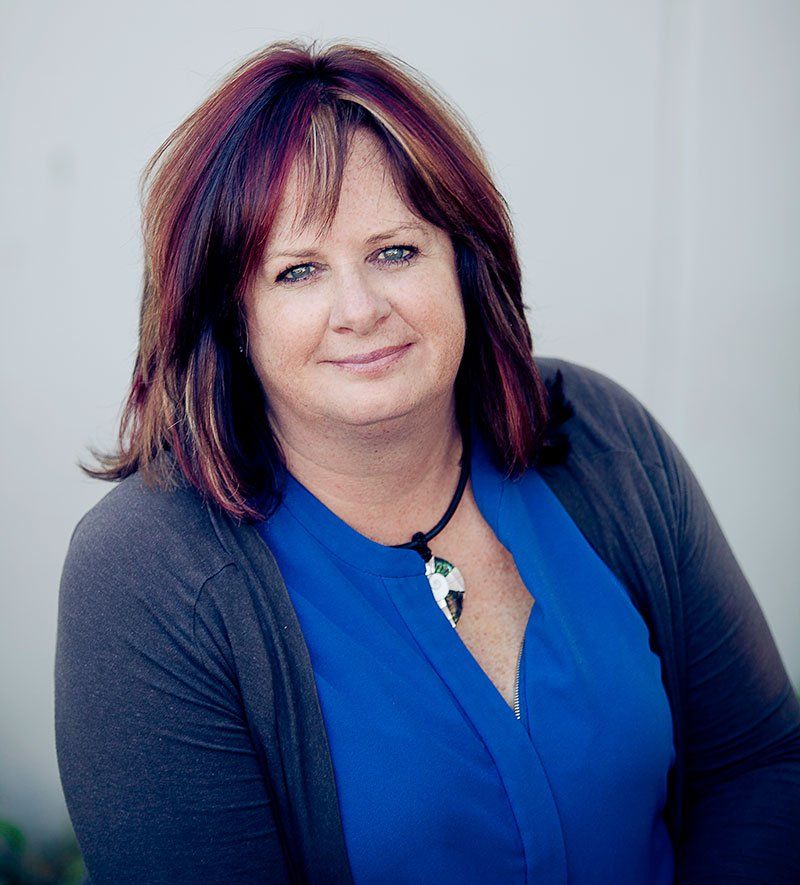


DIANE BUCHANAN
Mortgage Broker

LET'S TALK
By Diane Buchanan April 15, 2026
Thinking About Buying a Second Property? Here’s What to Know Buying a second property is an exciting milestone—but it’s also a big financial decision that deserves thoughtful planning. Whether you're dreaming of a vacation retreat, building a rental portfolio, or looking to support a family member with a place to live, there are plenty of reasons to consider a second home. But before you jump in, it's important to understand the strategy and steps involved. Start with “Why” The best place to begin? Clarify your motivation. Ask yourself: Why do I want to buy a second property? What role will it play in my life or finances? How does this fit into my long-term goals? Whether your focus is lifestyle, income, or legacy planning, knowing your “why” will help you make smarter decisions from the start. Talk to a Mortgage Expert Early Once you’ve nailed down your goals, the next step is to sit down with an independent mortgage professional. Why? Because buying a second property isn't quite the same as buying your first. Even if you’ve qualified before, financing a second home has unique considerations—especially when it comes to down payments, debt ratios, and how lenders assess risk. How Much Do You Need for a Down Payment? Here’s where the purpose of the property really matters: Owner-occupied or family use: You may qualify with as little as 5–10% down, depending on the property and lender. Income property: Expect to put down 20–35%, especially for short-term rentals or if it won’t be occupied by you or a family member. Your down payment amount can be one of the biggest hurdles—but with strategic planning, it’s often manageable. Ways to Fund the Down Payment If you don’t have the full amount in cash, you might be able to tap into your current home’s equity to help fund the purchase. Here are a few ways to do that: ✅ Refinance your existing mortgage to access additional funds ✅ Secure a second mortgage behind your current one ✅ Open a HELOC (Home Equity Line of Credit) ✅ Use a reverse mortgage (in certain age-qualified scenarios) ✅ Take out a new mortgage if your current home is mortgage-free These options depend on your income, credit, home value, and overall financial picture—another reason why having a pro in your corner matters. Second Property Strategy: It’s More Than Just Numbers This purchase should be part of a bigger financial plan—one that balances risk and reward. It’s about: Assessing your full financial health Maximizing your existing assets Minimizing your cost of borrowing Aligning your purchase with your long-term goals Ready to Take the Next Step? There’s no one-size-fits-all answer when it comes to buying a second property. That’s why it helps to talk things through with someone who understands both the big picture and the small details. If you’re ready to explore your options and build a plan to make that second property dream a reality, let’s connect. I’d love to help you take the next step with confidence.
By Diane Buchanan April 8, 2026
Alternative Lending in Canada: What It Is and When It Makes Sense Not everyone fits into the traditional lending box—and that’s where alternative mortgage lenders come in. Alternative lending refers to any mortgage solution that falls outside of the typical big bank offerings. These lenders are flexible, creative, and focused on helping Canadians who may not qualify for traditional financing still access the real estate market. Let’s explore when alternative lending might be the right fit for you. 1. You Have Damaged Credit Bad credit doesn’t have to mean your homeownership dreams are over. Many alternative lenders take a big-picture approach . While credit scores matter, they’ll also look at: Stable employment Consistent income Size of your down payment or existing equity If your credit has taken a hit but you can demonstrate strong income and savings—or have a solid explanation for past credit issues— an alternative lender may approve your mortgage when a bank won’t. Pro tip: Use an alternative mortgage as a short-term solution while you rebuild your credit, then refinance into a traditional mortgage with better terms down the line. 2. You're Self-Employed Being your own boss has its perks—but mortgage approval isn’t usually one of them. Traditional lenders require verifiable, consistent income—often two years’ worth. But self-employed Canadians typically write off significant expenses, reducing their declared income. Alternative lenders are more flexible and understanding of self-employed income structures. If your business is profitable and your personal finances are healthy, you may qualify even with lower stated income. Even if interest rates are slightly higher, this option is often worth it—especially when balanced against tax planning and business deductions . 3. You Earn Non-Traditional Income Today’s income sources aren’t always conventional. If you earn through: Airbnb rentals Tips and gratuities Rideshare or delivery apps (like Uber or Uber Eats) Commissions or contracts You might face challenges with traditional lenders. Alternative lenders are often more willing to work with these non-standard income streams , especially if the rest of your mortgage application is strong. Some will consider a shorter income history or evaluate your average earnings in a more flexible way. 4. You Need Expanded Debt-Service Ratios Canada’s mortgage stress test has made it harder for many borrowers to qualify with big banks. Alternative lenders can offer more generous debt-service ratio limits —meaning you might be able to qualify for a larger mortgage or a more suitable home, especially in competitive markets. While traditional GDS/TDS limits typically sit at 35/42 or 39/44 (depending on your credit), some alternative lenders will go higher, especially if: You have a larger down payment Your loan-to-value ratio is lower Your overall financial profile is strong It’s not a free-for-all—but it’s more flexible than bank lending. So, Is Alternative Lending Right for You? Alternative lending is designed to offer solutions when life doesn’t fit the traditional mold . Whether you're rebuilding credit, running your own business, or earning income in new ways, this path could help you get into a home sooner—or keep your current one. And here’s the key: You can only access alternative lenders through the mortgage broker channel . Let’s Explore Your Options Not sure where you fit? That’s okay. Every mortgage story is unique—and I’m here to help you write yours. If you’re curious about alternative mortgage products, want a second opinion, or need help getting approved, let’s talk . I’d be happy to help you explore the best solution for your situation. Reach out anytime. It would be a pleasure to work with you.
