
Using your RRSP for a downpayment through the HBP.
Diane Buchanan • February 17, 2021

As the March 1st, 2021 RRSP deadline approaches for the 2020 tax season, if you have money saved for a downpayment but you’re not quite ready to buy a home, here’s a little strategy that might interest you. Did you know that you can use the money saved in an RRSP as a downpayment? It’s called the Home Buyers’ Plan, or HBP for short.
Instead of keeping your downpayment tucked away in a savings account or TFSA, consider using your savings to purchase an RRSP before this year’s RRSP deadline. This will lower your taxable earnings for 2020 and trigger a (bigger) tax refund or lessen the amount of tax you have outstanding. You can then use the money saved towards your goal of homeownership. Admittedly, this won’t play a huge role in building a downpayment, but in times like these, every bit counts!
So here are some of the criteria for using the Home Buyers’ Plan.
You must be considered a first-time homebuyer to use the HBP.
This means you have either never bought a home previously, or, in the last four-year period, you did not occupy a home that you or your current spouse or common-law partner owned.
You have 15 years to pay back the RRSP
with payments starting in the second year after the withdrawal. While you won’t pay any tax on the money withdrawn from your RRSP for the downpayment, you will have to pay back the total amount you withdrew over 15 years. The CRA will send you an HBP Statement of Account every year, and your repayments will not count as new RRSP contributions as you’ve already received the tax break from those funds.
Funds have to be in your RRSP for at least 90 days to be eligible
for use in the HBP. This is a rule not many people are aware of, but it’s pretty important. So if you decide to purchase an RRSP with your savings to be used as part of your downpayment for withdrawal through the HBP, you need to wait at least 90 days before buying a home to make everything work. If you decide to buy a home before the 90 days is up, the RRSP purchase can still be withdrawn, but it will negate the tax savings.
You can access up to $35,000 ($70,00 per couple)
from your RRSP account to be used as a downpayment through the HBP. The government increased the accessible amount in 2019.
You can learn more about the Home Buyers' Plan by checking out the CRA website here. Or, if you’d like to discuss how the HBP could work for you and your personal financial situation, contact me anytime!

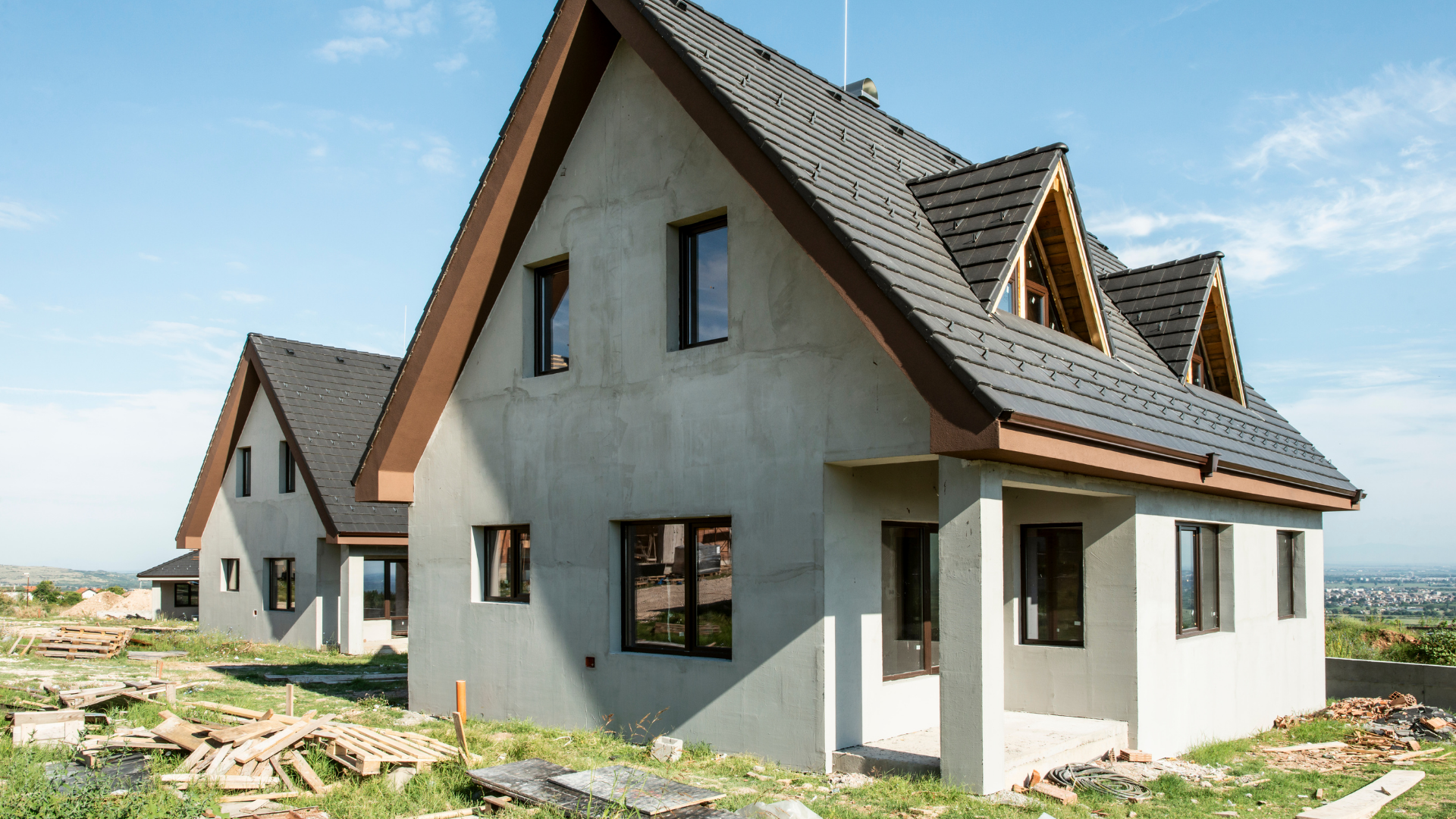
Why More Mortgage Options Matter—Especially for Assignment Purchases One of the biggest advantages of working with an independent mortgage professional is access to choice. Instead of being limited to one lender and one set of products, mortgage brokers work with multiple lenders—each with different guidelines, risk tolerances, and mortgage solutions. That flexibility becomes especially valuable when your situation doesn’t fit neatly into a “standard” box. A great example of this is purchasing new construction through an assignment contract . Why Assignment Purchases Can Be Challenging Assignment purchases are often viewed as higher risk by traditional lenders. Rather than declining these deals outright, many lenders quietly make them difficult by adding layers of conditions, restrictions, or uncertainty. This can lead to delays, frustration, or financing falling apart late in the process. The Good News There are lenders—available exclusively through the broker channel —that have clear, favourable policies for assignment purchases. With the right lender and proper planning, these transactions are absolutely doable. Typical Financing Requirements for Assignment Purchases While every situation is unique, many lenders that allow assignment financing look for the following: Standard purchase qualification, including income verification, credit, and down payment Assignments accepted at either the original purchase price or current market value Minimum 620 credit score , with no prior bankruptcies or consumer proposals The full down payment must come from the purchaser —seller incentives cannot be used Required Documentation To secure financing, lenders typically require: The original purchase agreement signed by all parties The MLS listing (if applicable) The assignment agreement signed by the builder, original purchaser, and new buyer Any side agreements outlining changes to the purchase price A full appraisal to confirm value This list isn’t exhaustive, but it highlights that while assignment purchases require more coordination, they are very achievable with the right lender and guidance. Final Thoughts Assignment contracts can open doors to great opportunities—but only if your financing supports the transaction. This is where access to multiple lenders and specialized policies makes a real difference. If you’re considering purchasing new construction through an assignment, or if you’d like to explore more traditional purchase options, feel free to connect anytime. I’d be happy to walk you through the mortgage products available and help you choose an option that doesn’t limit your financing possibilities.
How Mortgage Payment Frequency Affects What You Pay Over Time You’ve probably heard the saying that there are two certainties in life: death and taxes. When it comes to your mortgage, there’s really just one certainty—you’ll repay what you borrow, plus interest. What is flexible, though, is how often you make your mortgage payments. And that choice can have a meaningful impact on how quickly you pay down your mortgage and how much interest you pay over time. The Six Mortgage Payment Frequencies Most lenders offer the following payment options: Monthly – 12 payments per year Semi-monthly – 24 payments per year Bi-weekly – 26 payments per year Weekly – 52 payments per year Accelerated bi-weekly – 26 payments per year Accelerated weekly – 52 payments per year Standard Payment Frequencies The first four options are designed to align with how you get paid. For example: Paid monthly? Monthly mortgage payments may make sense. Paid every two weeks? Bi-weekly payments can align nicely with your cash flow. With these standard options, regardless of how often you pay, the total amount paid over the year is the same —it’s simply divided into more frequent payments. What Makes “Accelerated” Payments Different Accelerated payments work differently—and this is where the real savings happen. With accelerated bi-weekly or accelerated weekly payments, you’re paying a slightly higher amount each time. That extra money goes directly toward reducing your mortgage principal, which lowers the interest you’ll pay over the life of the mortgage. A Simple Example Let’s assume a $1,000 monthly mortgage payment: Monthly: $1,000 once per month = $12,000 per year Semi-monthly: $500 twice per month = $12,000 per year Bi-weekly: $1,000 × 12 ÷ 26 = $461.54 every two weeks = $12,000 per year Accelerated bi-weekly: $1,000 ÷ 2 = $500 every two weeks = $13,000 per year With accelerated bi-weekly payments, you effectively make two extra payments per year without having to think about it. Those extra payments reduce your principal faster, which lowers interest costs over time. Accelerated weekly payments work the same way—you just make smaller payments more frequently. Why This Matters Long Term While it’s difficult to calculate exact savings due to variables like interest rates, terms, and amortization changes, maintaining an accelerated payment schedule over the life of your mortgage can reduce your amortization by up to three years and save a significant amount of interest. The Bottom Line Accelerated payments are a simple, automatic way to lower your overall cost of borrowing—without needing to make lump-sum payments or drastically change your budget. If you’d like to see how different payment frequencies would impact your mortgage specifically, feel free to reach out anytime. I’d be happy to walk through the numbers with you and help you choose the option that fits your goals.
