
Worried About Your Mortgage Renewal? You’re Not Alone

Diane Buchanan • June 18, 2025

Worried About Your Mortgage Renewal? You’re Not Alone


If your mortgage renewal is coming up soon, you're likely feeling a bit of financial pressure—and you’re not the only one.


A recent survey shows that over half of Canadian homeowners believe their upcoming mortgage renewal could impact their current living situation. With interest rates still higher than what many borrowers locked in before 2022, 45% of those renewing in the next 12 months expect their monthly payments to increase.


Even though the Bank of Canada has held its key overnight rate steady at 2.75%, borrowing costs remain elevated compared to the low-rate years we saw earlier in the decade. And that’s changing how Canadians think about their finances.


Changing Plans and Tightening Budgets

Among those worried about their renewal, 73% say they’re already cutting back on discretionary spending—things like eating out, entertainment, or travel—to brace for higher mortgage payments.

For many, it goes deeper than just trimming the budget. Nearly one in four surveyed homeowners said they’re rethinking their entire financial strategy. Some are pressing pause on home renovations (43%), while others are considering downsizing or relocating to a more affordable area (29%). A smaller group (15%) is even open to major lifestyle changes, like moving in with roommates or relocating to a new neighbourhood altogether.


Fixed-Rate Mortgages on the Rise

In this climate, most homeowners looking to renew are leaning toward fixed-rate mortgages, with 75% preferring the stability of predictable payments. For those facing uncertainty, locking in a rate for the next few years can offer peace of mind—even if it means paying a little more in the short term.


First-Time Buyers Are Feeling It Too

It’s not just current homeowners feeling the pinch. A separate survey found that more than half of Canadians planning to buy a home are cutting back on non-essential spending to save for their down payment or other buying costs. About 31% are even considering tapping into savings or investment accounts like TFSAs, RRSPs, or first-time home savings accounts to make their purchase possible.


What This Means for You

Whether you’re preparing to renew or purchase for the first time, this environment calls for smart, strategic planning. You’re not alone in feeling uncertain—but with the right guidance, you can navigate these changes confidently.


Have questions about your upcoming renewal or wondering what type of mortgage is right for today’s market? Let’s connect. We're here to help you make informed, confident decisions about your home financing.
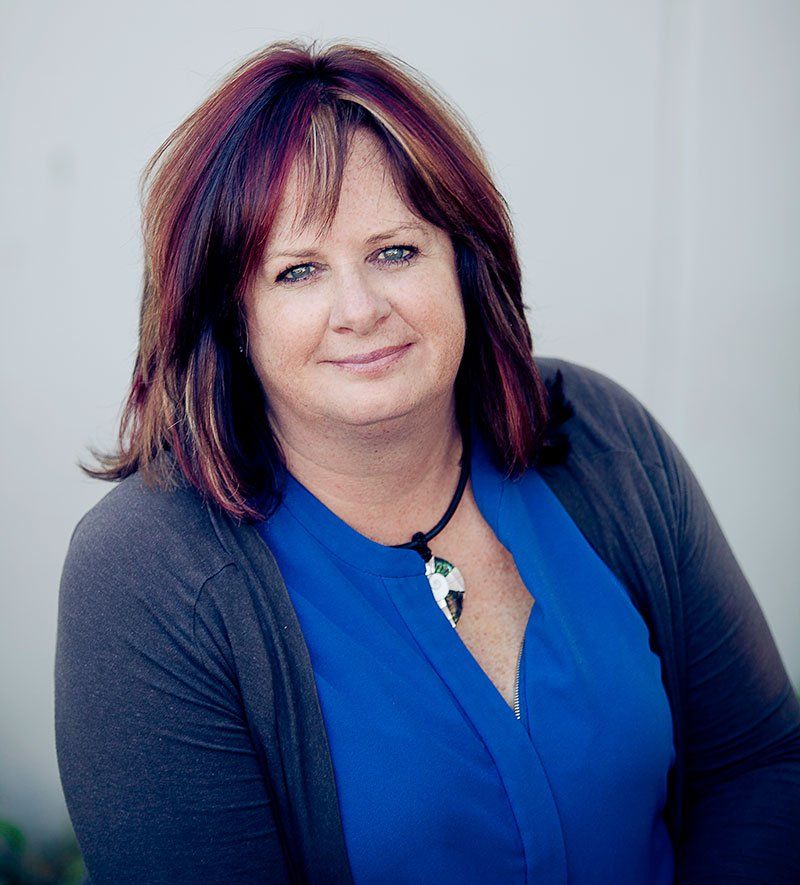


DIANE BUCHANAN
Mortgage Broker

LET'S TALK
By Diane Buchanan May 20, 2026
Owning a home feels great—carrying a large mortgage, not so much. The good news? With the right strategies, you can shorten your amortization, save thousands in interest, and become mortgage-free sooner than you think. Here are four proven ways to make it happen: 1. Switch to Accelerated Payments One of the simplest ways to reduce your mortgage faster is by moving from monthly payments to accelerated bi-weekly payments . Instead of 12 monthly payments a year, you’ll make 26 half-payments. That works out to the equivalent of one extra monthly payment each year, shaving years off your mortgage—often without you noticing much difference in your budget. 2. Increase Your Regular Payments Most mortgages allow you to boost your regular payment by 10–25%. Some even let you double up payments occasionally. Every extra dollar goes directly toward your principal, which means less interest and faster progress toward paying off your balance. 3. Make Lump-Sum Payments Depending on your lender, you may be able to make lump-sum payments of 10–25% of your original mortgage balance each year. This option is ideal if you receive a bonus, inheritance, or other windfall. Applying a lump sum directly to your principal immediately reduces the interest charged for the rest of your term. 4. Review Your Mortgage Annually It’s easy to put your mortgage on auto-pilot, but a yearly review keeps you in control. By sitting down with an independent mortgage professional, you can check if refinancing, restructuring, or adjusting terms could save you money. A quick annual review helps ensure your mortgage is always working for you—not against you. The Bottom Line Paying off your mortgage early doesn’t require a massive lifestyle change—it’s about making smart, consistent choices. Whether it’s accelerated payments, lump sums, or regular reviews, every step you take helps reduce your debt faster. If you’d like to explore strategies tailored to your situation—or want a free annual mortgage review—let’s connect. I’d be happy to help you find the fastest path to mortgage freedom.
By Diane Buchanan May 13, 2026
Don’t Forget About Closing Costs When planning to buy a home, most people focus on saving for the down payment. But the truth is, that’s only part of the equation. To actually finalize the purchase, you’ll also need to budget for closing costs —the out-of-pocket expenses that come up before you get the keys. Closing costs can add up quickly, which is why they should be part of your pre-approval conversation right from the start. Lenders will even require proof that you’ve got enough funds set aside. For example, if you’re getting an insured (high-ratio) mortgage, you’ll need at least 1.5% of the purchase price available in addition to your down payment. That means a 10% down payment actually requires 11.5% of the purchase price in cash to make everything work. Let’s break down some of the most common expenses you should prepare for: 1. Home Inspection & Appraisal Inspection : Paid by you, this gives peace of mind that the property is in good shape and doesn’t have hidden problems. Appraisal : Required by the lender to confirm value. Sometimes this is covered by mortgage insurance, sometimes by you. 2. Legal Fees A lawyer or notary is required to handle the title transfer and make sure the mortgage is properly registered. Legal fees are often one of the larger closing costs—unless you’re also responsible for property transfer tax. 3. Taxes Many provinces charge a property or land transfer tax based on the home’s purchase price. These fees can range from hundreds to thousands of dollars, so you’ll want to factor them in early. 4. Insurance Property insurance is mandatory—lenders won’t release funds without proof that the home is insured on closing day. Optional coverage like mortgage life, disability, or critical illness insurance may also be worth considering depending on your financial plan. 5. Moving Costs Whether you’re renting a truck, hiring movers, or bribing friends with pizza and gas money, moving comes with expenses. Cross-country moves especially can be surprisingly pricey. 6. Utilities & Deposits Setting up new services (electricity, water, internet) can involve connection fees or deposits, particularly if you don’t already have a payment history with the utility provider. Plan Ahead, Stress Less This list covers the big-ticket items, but every purchase is unique. That’s why it pays to have an accurate estimate of your personal closing costs before you make an offer. If you’d like help planning ahead—or want a breakdown tailored to your situation—let’s connect. I’d be happy to walk you through the numbers and make sure you’re fully prepared.
